
FLOWRIDE FOR DENTAL PROFESSIONALS
Care for smiles.
Care for your hearing.
The sounds of dentistry are familiar. Their cumulative impact deserves attention. Flowride brings selective sound filtering into the conversation about patient comfort and occupational hearing health.

THE EVIDENCE DESERVES TO BE HEARD
Everyday noise.
A long-term consideration.
Dental noise exposure varies by equipment, maintenance, distance, and time in use. The evidence supports assessing the whole working day—not assuming every drill or every practice has the same exposure.
17 studies
A body of evidence
A 2023 systematic review included 17 studies of hearing loss in dental professionals. The authors reported an association in the majority of included studies. [1]
85 dBA
An occupational benchmark
NIOSH recommends an exposure limit of 85 dBA averaged over an eight-hour workday. This is a noise-exposure benchmark, not a Flowride performance rating. [2]
+3 dBA
Half the exposure time
For every 3 dBA increase, NIOSH recommends halving exposure duration: 88 dBA for four hours, or 91 dBA for two hours. [2]
HEARING HEALTH IS PART OF GOOD PRACTICE
A quieter approach
to the working day.
The 2023 review identified years of clinical experience as an important risk factor. Its findings describe associations across observational studies; they do not establish that a particular drill causes hearing loss in every clinician. [1]
Start with your environment.
Measure noise exposure, maintain equipment, and seek occupational hearing advice. A hearing-conservation approach can include suitable, verified hearing protection and hearing checks based on assessed risk. [3]
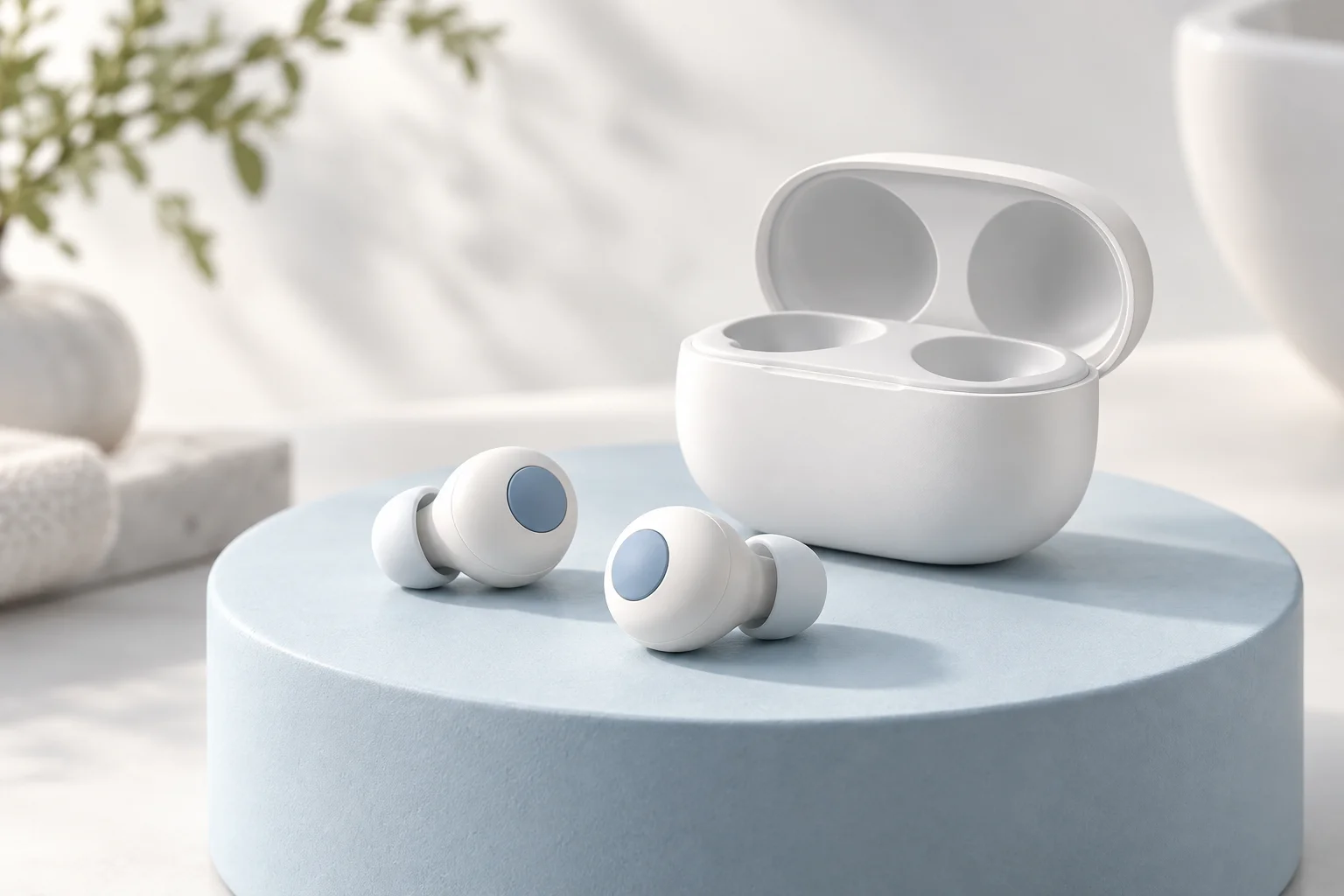
WHERE FLOWRIDE FITS
Designed for focus.
Built around connection.
Flowride’s goal is to reduce unwanted dental drill sound while preserving communication with patients and colleagues. For practices, that means exploring sound comfort alongside a broader commitment to hearing health.
Performance matters. Flowride is not presented here as certified hearing protection. Validated attenuation, speech intelligibility, fit, cleaning, and clinical suitability must be established before relying on it for occupational protection.
READ THE RESEARCH
Sources & further reading
[1] Hartland JC et al. Systematic review of hearing loss in dental professionals. Occupational Medicine, 2023; 73(7):391–397.
[2] CDC / NIOSH. Noise-Induced Hearing Loss. Exposure limits and the 3 dBA exchange rate.
[3] CDC / NIOSH. Preventing Occupational Noise-Induced Hearing Loss.
Sources reviewed September 2026. These sources concern occupational noise and hearing health; they are not evidence of Flowride product efficacy.
LET’S MAKE ROOM FOR CALM
A better sound experience
starts with a conversation.
Curious about Flowride for yourself or your practice? We would love to hear from you.